Pipistrel claims to have reimagined the future of eVTOL drone cargo transportation
Pipistrel claims to have reimagined the future of eVTOL drone cargo transportation
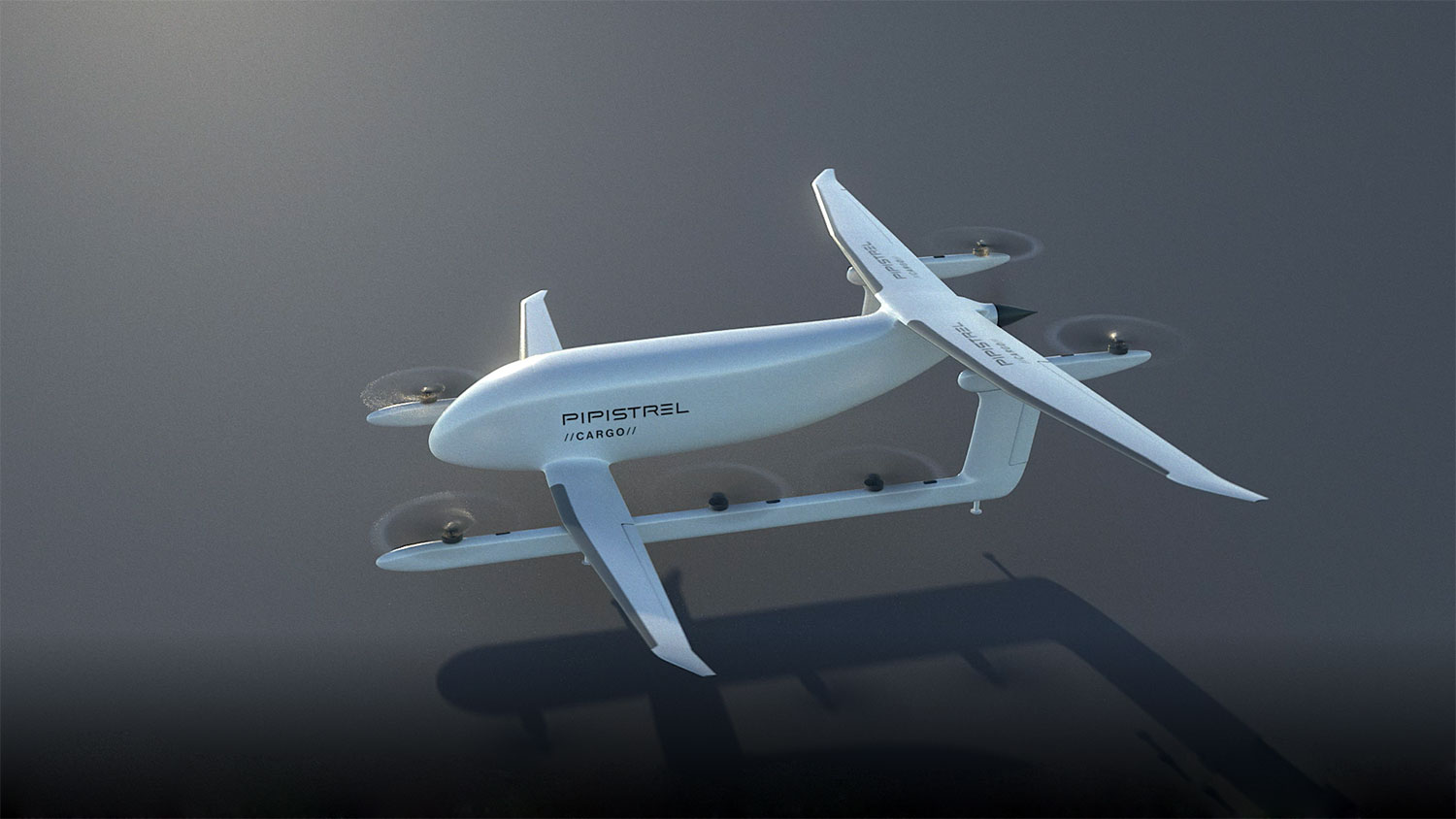
Pipistrela technology mobility company, claims to have reimagined the future of air cargo transportation with its new hybrid-electric powered Nuuva V300 unmanned cargo aircraft. Based in Slovenia, the company has announced that the first flight is expected to take off before the end of the year.
A major breakthrough in cargo aviation
Pipistrel CEO Gabriel Massey expressed confidence in the potential of the Nuuva V300. He said this program stands out among larger unmanned drones while also supporting the development of technologies for other programs.
“The Nuuva offers a simplicity of operation across multiple business use cases, including:
- Humanitarian aid
- Defense applications for transporting supplies
- Logistics
Design suitable for various environments
Initially designed for sparsely populated environments, the Nuuva V300 will also find its place in urban environments and for offshore deliveries. It is capable of operating in areas without landing strips and adapts to heliport standards.
With an internal volume greater than 100 cubic feetthe machine can transport up to three pallets of freight. “We are taking a pragmatic approach,” Massey said, adding that the first model will require a remote operator and automatic missions.
Challenges and opportunities in the advanced air mobility sector
Faced with the challenges facing the advanced air mobility sector, Mr. Massey highlighted the importance of evolving battery technology to improve the performance of the Nuuva. At the same time, it is essential that eVTOL infrastructure allows aircraft to land on various types of platforms, such as:
- Vertiports
- Airports
- Heliports
Mr. Massey also stated that the standardization of charging infrastructure constitutes a crucial point of attention for the future of Nuuva.
Towards a sustainable and profitable future
The challenges posed by less stringent cargo drone regulations pave the way for more viable operations in the near term. It will also help drive acceptance and integration of advanced air mobility, marking a new era for this innovative industry.
Mr. Massey noted that there is growing interest in seeing the commercially attractive pricing of electric-powered cargo VTOLs. The Nuuva, as a hybrid aircraft, uses existing battery technologies, allowing for an efficient product design at a competitive price for cargo operations.
“We also took into account the operational flexibilitycost efficiency and respect for the environment. We are confident in our position in the market,” said Mr. Massey.
Innovations in the maritime sector
Meanwhile, Regent Craft, a manufacturer of fully electric marine gliders, recently revealed its plan to deliver the first Monarch aircraft to United Marine Egypt (UME) Shipping by the end of the decade. This device can transport nearly 10 tons of cargo over distances of up to 650km at a speed of 225 km/h.
Regent Seagliders combine the speed of airplanes with the convenience and low cost of boats, while being emission-free. The company strives to comply with international standards and codes required for its operations.
Conclusion
The disruption caused by activities in the Red Sea region highlights the growing need for maritime transport solutions, as Regent points out. The future looks bright for air cargo delivery with the Nuuva V300, and this project is part of a drive to optimize sustainability and efficiency in the industry.